


| |
In
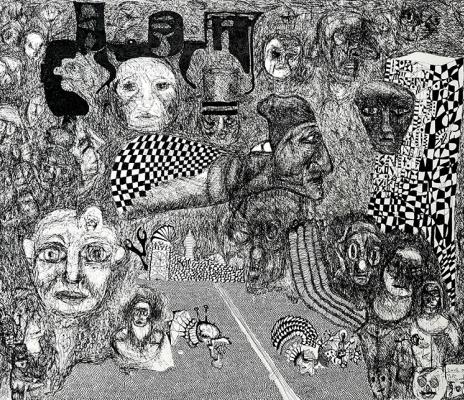
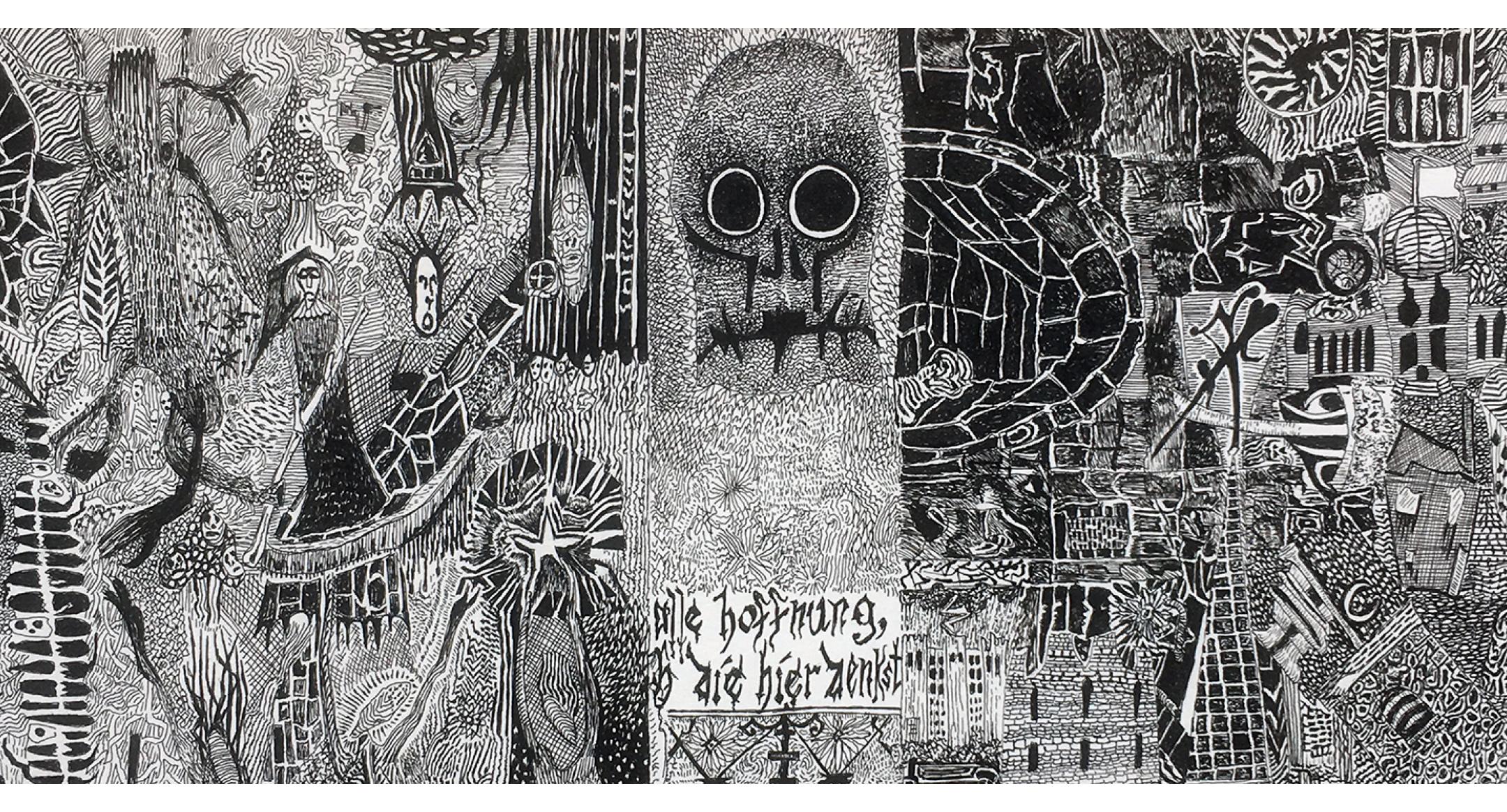
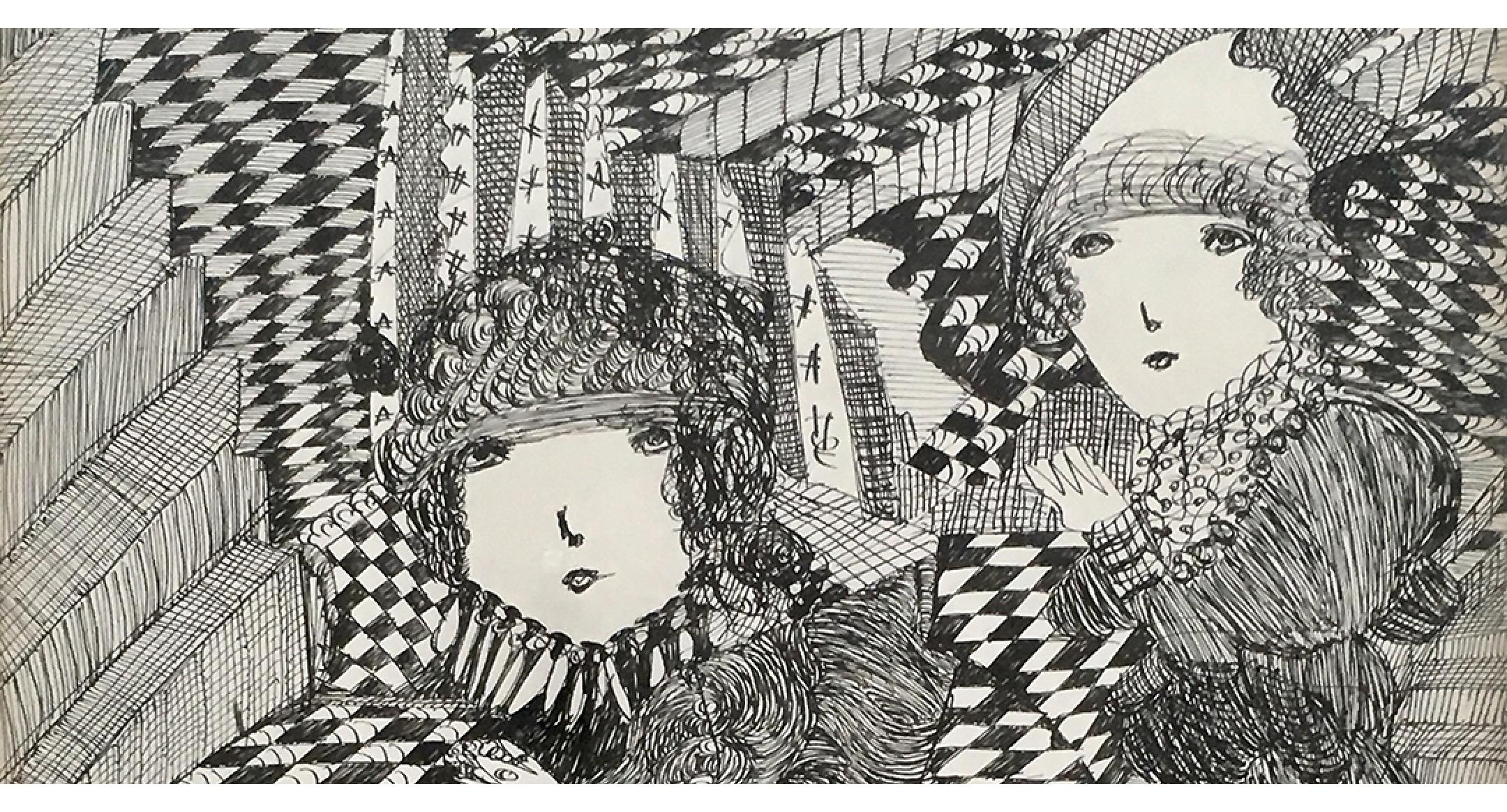
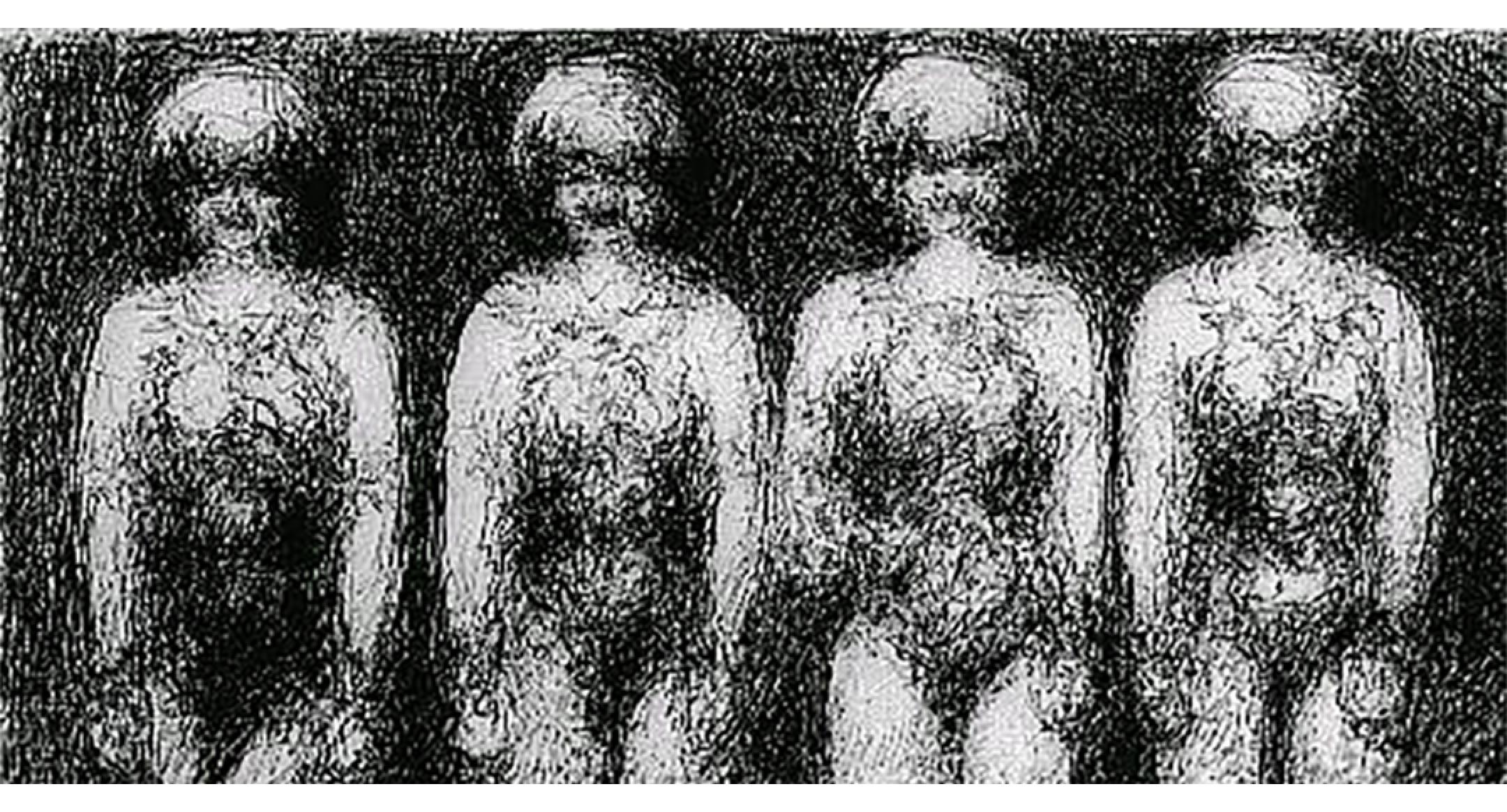
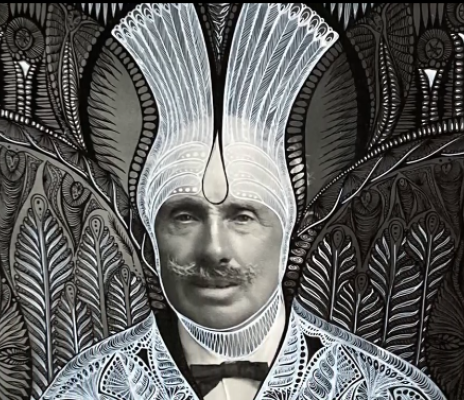
the last two decades of his life the Polish outsider Edmund Monsiel,
an untreated schizophrenic, produced a body of exquisitely detailed
drawings, often with messianic and religious inscriptions. Though
he held down a job as a weighbridge operator after he became ill he
avo!ded social contact and was obsessively religious. His artistic
outpourings began with transcriptions of visual hallucinations of
Christ and the Devil in 1943, before giving way to chaotic agglomerations
of figures and faces that seem suggest the artist's struggle with
forces that threaten to consume him entirely. Subsequently Monsiel
developed a more rigidly defined and controlled image of a world minated
by the human face. Characteristically, Monsiel's drawings reflected
the deific world of his visions in which he was God's emissary, rather
than the dingy reality the small room in which he lived, and thereby
quieted the powerful forces of his fears. Control was achieved partly
through the. annihilation of pictorial depth and its placement by
his own marks. Despite their hieratical nature, Monsiel's pictures
seem to throb with an innate life; his figures and disembodied physiognomies
are elusive, ways suggesting nascent metamorphosis.
Monsiel is regarded as
one of most important of the European outsider artists. His drawings,
which were always produced on small scraps of paper, are extremely
rare, only around 500 exist, the majority of which are housed in
Polish museum collections. The Collection de l'Art Brut also have
a fine selection of his 'icons of obsession'; a major retrospective
of his work was held there in 1998.
|
|
For
further information
and a list of works
currently available
 |